01The Gap Between the Fear and the Reality
Root canal treatment carries a reputation for pain that is decades out of date. The procedure that patients feared in the 1980s and 1990s bore little resemblance to what is possible with modern anaesthesia, rotary instrumentation, and experienced clinical technique. At DMall Dental Care in Ranchi — where over 1,200 root canal treatments have been performed — the most consistent feedback from patients is that it was nothing like they expected. The discomfort they anticipated did not materialise. What many describe as the worst part is the injection to administer the anaesthetic. After that, most report feeling pressure and movement but no pain.
02Before the Procedure Begins
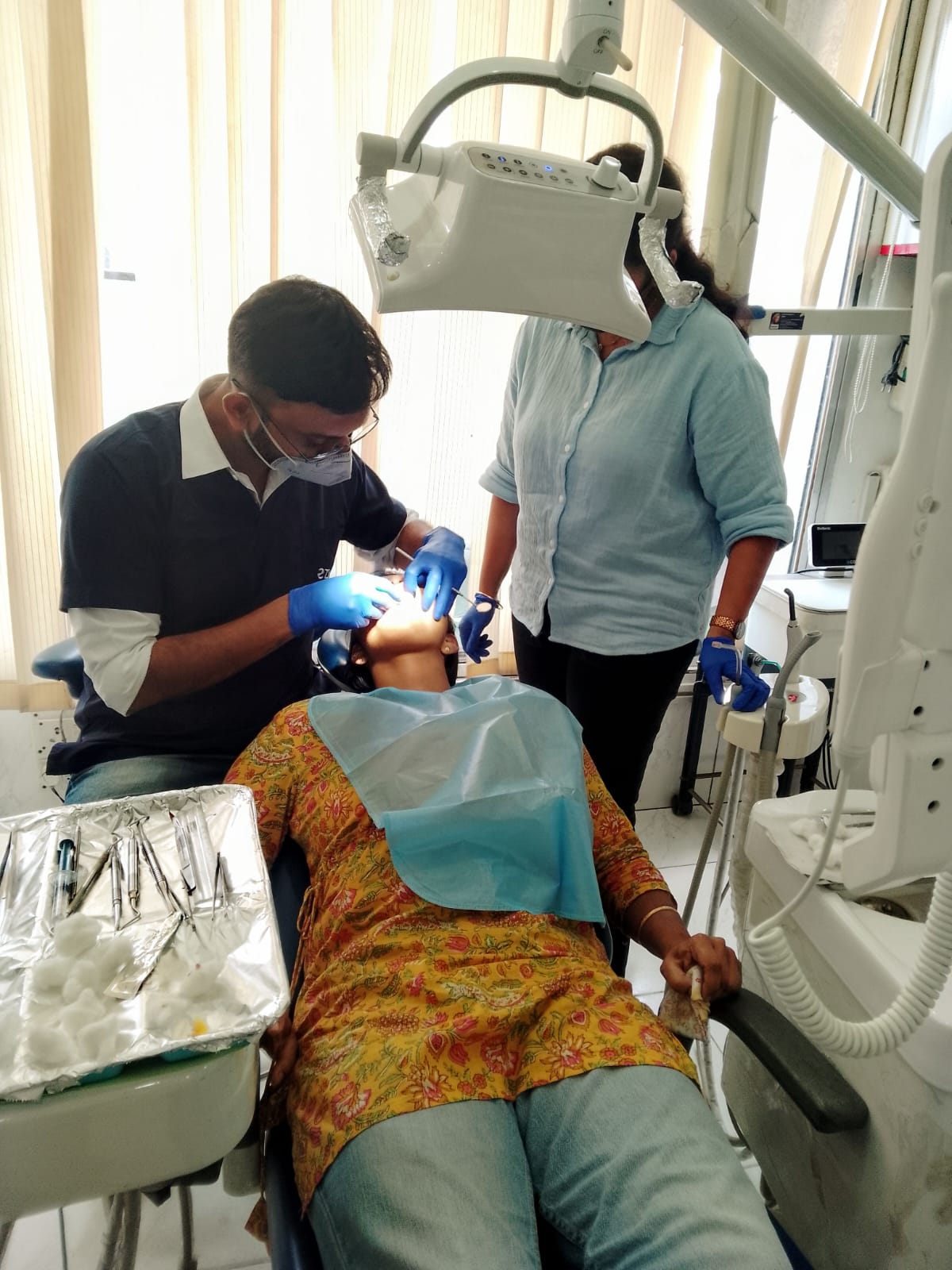
An effective root canal treatment begins before the first instrument is used. A thorough X-ray examination establishes the number of roots, the canal anatomy, and the extent of infection around the root tip. Local anaesthesia is administered and the area is allowed adequate time to become fully numb — experienced clinicians do not begin until they are confident the anaesthetic has taken full effect. A rubber dam — a small flexible sheet — is placed around the tooth to isolate it from saliva, keeping the field clean and improving the sterility of the procedure.
03What Happens During the Procedure
Once the tooth is numb and isolated, the dentist creates an access opening through the biting surface to reach the infected pulp tissue inside. Using a series of small, flexible instruments — at DMall Dental Care, nickel-titanium rotary files that move with precision and speed — the canals are cleaned, shaped, and measured to their exact lengths using an electronic apex locator. Each canal is irrigated with antibacterial solutions that clear debris and disinfect the root system. The shaped canals are then filled with gutta-percha, a biocompatible rubber material, sealed against reinfection, and the access is temporarily or permanently restored.
04After the Appointment — What to Expect
Once the local anaesthesia wears off — usually 2 to 4 hours after the appointment — the treated tooth may be mildly tender when biting on it for 2 to 5 days. This is a normal tissue response to the instrumentation and infection clearance that occurred, and it typically responds well to over-the-counter pain relief. The infection-related pain that brought the patient in — the spontaneous aching, the sensitivity to heat, the throbbing that disrupted sleep — resolves as the procedure eliminates its source. Most patients describe feeling significantly better within 24 to 48 hours of treatment.
05The Crown That Must Follow
Root canal-treated teeth are structurally more brittle than vital teeth. Without a crown, the treated tooth is at high risk of fracture under normal chewing forces — a fracture that can sometimes result in losing the tooth entirely. A crown placed over the treated tooth protects it and restores full biting function. At DMall Dental Care, the crown is typically placed within 2 to 4 weeks of completing the root canal treatment. Patients who complete this second step protect their investment in the root canal and keep the treated tooth functional for many years.
Book your root canal consultation at DMall Dental Care, Ranchi.